


 Allen Virality
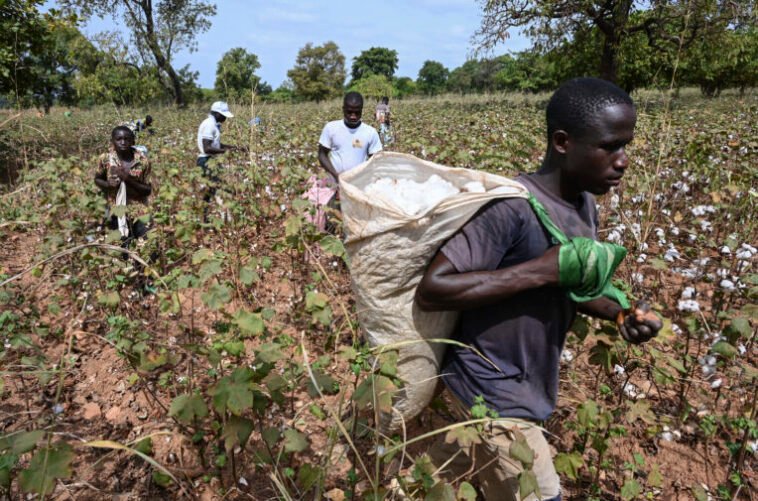
BRUSSELS — The European Union is facing a blistering legal and moral challenge over its continued export of hazardous pesticides and chemicals to African nations—substances that have been strictly banned within the EU for years due to their links to cancer, reproductive failure, and environmental collapse.
In a significant intervention, high-profile legal figures, including former ICC judge Navi Pillay and UN Special Rapporteur Marcos Orellana, have urged Members of the European Parliament (MEPs) to close legal loopholes that allow European firms to profit from a “deadly double standard.”
A Growing “Chemical War”
Despite a 2020 pledge by the European Commission to “lead by example” and ensure that hazardous chemicals banned in the EU are not produced for export, recent data reveals the practice has actually increased. In 2024 alone, EU member states approved the export of nearly 122,000 tonnes of prohibited pesticides—a 50% increase from 2018.
“The EU is continuing an invisible chemical war,” stated a coalition of over 600 NGOs in an open letter to the Commission. The report highlights that while these chemicals are deemed too toxic for European soil, they are routinely shipped to countries like South Africa, Kenya, and Nigeria.
The Human Cost
The impact on the ground in Africa is devastating. In South Africa’s wine-growing regions, female farmworkers have reported chronic illnesses, including respiratory failure and skin disorders, attributed to the spraying of EU-banned substances like Paraquat and Mancozeb.
Judge Navi Pillay, testifying before the EU Parliament’s subcommittee on human rights, emphasized that these chemicals are often applied by workers who have not been provided with adequate protective gear or training. “African lives are of equal value to European lives,” noted Colette Solomon, director of the Women on Farms Project. “To argue otherwise reveals a racist and colonial pattern of exploitation.”
Economic Irony and “The Boomerang Effect”
The issue is not only humanitarian but also creates a “boomerang effect” that impacts European consumers. Many of the banned chemicals exported to Africa are used on crops—such as grapes, cocoa, and coffee—that are eventually sold back to European supermarkets.
Furthermore, African economies are suffering as EU customs officials frequently seize and destroy African produce that contains traces of these very same banned substances, leading to millions in lost revenue for African farmers.
Political Resistance in Brussels
While nations like Denmark, France, and Austria have called for a total export ban, the proposal has stalled in Brussels. Insiders point to heavy lobbying from the German and Italian chemical sectors, which argue that an export ban would lead to job losses and simply move production to countries with even laxer regulations, such as China.
However, UN Special Rapporteur Marcos Orellana dismissed these economic arguments as “immoral,” stating that “real leadership must confront the economic costs of doing the right thing.”
As the European Parliament weighs new corporate sustainability directives, the message from the judicial community is clear: the EU cannot claim to be a global leader in environmental rights while simultaneously exporting “silent killers” to the Global South.
-
Question of
What does she love the most?
-
Jazz
-
Rap
-
Disco
-
Heavy Metal
-
-
Question of
How about this guy?
-
Jazz
-
Techno
-
Reggae
-
Dubstep
-
-
Question of
Ohh, and this guy
-
Techno
-
Hip Hop
-
Reggae
-
Heavy Metal
-
-
Question of
How about this guy?
-
Disco
-
HIp Hop
-
Techno
-
Jazz
-
Heavy Metal
-
Punk Rock
-
Pop
-
-
Question of
How about this guy?
-
Techno
-
Jazz
-
Dubstep
-
Punk Rock
-
-
Question of
How about this guy?
-
Disco
-
Jazz
-
Pop
-
-
Question of
How about his beauty?
-
Techno
-
Country
-
Disco
-
Jazz
-
-
Question of
How about this girl?
-
Techno
-
Punk Rock
-
Heavy Metal
-
Jazz
-
Share the quiz to view your results!
This post was created with our nice and easy submission form. Create your post!



testing testing 123